
"CONA siphon"
6400 article(s) found

"CONA" siphon pot, handmade in England
CONA siphon pot is handmade in England. Unlike other siphons, CONA has a water filter rather than a normal filter. CONA produces four models of siphons, MODEL B (0.28L), C (0.85L) and D (1.1L), with prices ranging from 200250.
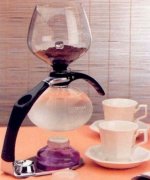
The method of making coffee in siphon pot without filter
CONA siphon pot is handmade in England. Unlike other siphons, CONA has a water filter rather than a normal filter. CONA produces four models of siphons, MODEL B (0.28L), C (0.85L) and D (1.1L), with prices ranging from 200250.
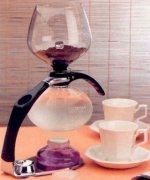
Siphon kettle without filter net
CONA siphon pot, handmade in England. Unlike other siphons, CONA has a water filter device, rather than a regular strainer. CONA produces a total of four models of siphon, MODEL B(0.28 liters),C(0.85 liters),D(1.1 liters), the price varies from 200250.

What is a good brand of siphon pot? Which brand is better for siphon pots? Siphon pot recommendation
Professional coffee knowledge exchange more coffee bean information Please follow the coffee workshop (Wechat official account cafe_style) the classic old-school aroma K â NO siphon pot SK-2G material: heat-resistant glass, logs, stainless steel in 1923, khono developed the world's first vertical siphon pot, and established the most common siphon pot style on the market today. Its glass kettle wall is thick and insulated.

Which brand of coffee siphon pot should I choose? three major siphon pot coffee brands are introduced to you.
Professional coffee knowledge exchange more coffee bean information Please pay attention to the coffee workshop (Wechat official account cafe_style) currently on the market siphon is probably divided into several categories, domestic, Taiwan-made, and Japanese-made, the price is also increasing. There are too many domestic brands not introduced. Taiwan-made brands such as YAMI, Japanese-made more well-known ones are HARIO. Attention should be paid to the selection and purchase of siphon pot

Siphon pot coffee brewing skills | introduction of siphon pot utensils that coffee fans need to know
Analytical immersion extraction! The simplest coffee brewing method, ── classic siphon pot immersion extraction, as the name implies, its principle is to let the coffee powder soak in a container, interact with hot water for a period of time, dissolve and spread to release the flavor and aroma of coffee smoothly, and complete the extraction before the miscellaneous flavor is precipitated.

Classic siphon pot operation skills | how to make siphon coffee at home
For the exchange of professional baristas, please pay attention to the immersion extraction method in the coffee workshop (Wechat official account cafe_style). As the name implies, its principle is to let the coffee powder soak in a container and interact with hot water for a period of time to dissolve and spread to release the flavor and aromatic substances of the coffee smoothly, and to complete the extraction before the miscellaneous flavor is precipitated.

Analytical immersion extraction! The simplest way to brew coffee ── classic siphon pot
For the exchange of professional baristas, please pay attention to the immersion extraction method in the coffee workshop (Wechat official account cafe_style). As the name implies, its principle is to let the coffee powder soak in a container and interact with hot water for a period of time to dissolve and spread to release the flavor and aromatic substances of the coffee smoothly, and to complete the extraction before the miscellaneous flavor is precipitated.

Analysis of the charm of soaking extraction--siphon pot brewing complete tutorial (with video)
Professional barista exchanges, please pay attention to coffee workshop (Weixin Official Accounts cafe_style ) immersion extraction method immersion extraction method, as the name suggests, its principle is to let coffee powder soak in a container, and hot water for a period of time, dissolution diffusion to smoothly release coffee flavor and aromatic substances, and before the impurity precipitation, complete the extraction

Knowledge of coffee history and culture the history and production technology of siphon coffee
When you see baristas playing with siphon pots of coffee blooming in boutique coffee shops and dealers, the trend of siphon coffee is nothing new. In fact, the idea has been around since the mid-19th's, when people agreed that boiling coffee would obliterate the flavor, and began to try to solve the problem with vacuum and pressure. The earliest specialty of vacuum coffee technology

Description of Hawaiian Solar Cona kafie Flavor and aroma in "RUSTY" Farm
Professional baristas follow the coffee workshop (Wechat official account cafe_style) in 1999, Rusty and Lorie Obra began to migrate to Hawaii to grow coffee, and they stumbled upon an award-winning coffee area (Kau area). Of course, they didn't realize it at the time. I just want to live in this place, but it turns out to be in this fertile volcanic soil.

Hawaiian Cona Arianne Manor Hawaiian boutique coffee hand-made coffee
Professional coffee knowledge exchange more coffee bean information please follow the coffee workshop (Wechat official account cafe_style) Arianne Manor Kona Hawaii Kona Arianna ESTATE Extra Fancy Manor: Arianne Manor products: Tibica Typica Class: Extra Fancy production area: Hawaii Island Haiba: 550760m Refining method:

Jamaican Blue Mountain Coffee Variety tastes and tastes Super Hawaiian Cona Coffee beans
It is necessary to take a closer look at the myth of Blue Mountain Coffee, because the image of the past is often inconsistent with the reality of today. In 1725, Sir Sir Nicholas Lawes brought the first Blue Mountain Coffee species from Martinique to Jamaica and planted them in the St.Andrew area. Today's St. Andrew's producing area is still blue.
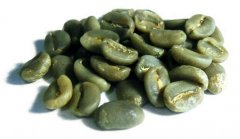
Well-known coffee raw beans introduce Hawaii Kona
Extra fancy kona, Hawaii, which is considered to be one of the best coffee producing areas in the world, must cover six important factors: soil quality, altitude, sunshine, cloudiness, rainfall and slope. Hawaii is blessed with these six elements to produce the best and most respected coffee in the world. Soil quality: fat, lively tropical Hawaiian volcanic soil, providing a family.
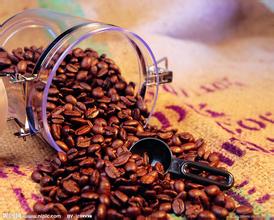
Main coffee bean producing countries
Major coffee producers: Brazil accounts for about one-third of the world's coffee production. Although it occupies a very important position in the overall coffee trading market, due to the price strategy adopted by the Brazilian coffee processing industry from the beginning, i.e. low price and large planting, the coffee produced is of average quality and less excellent grade, which is generally regarded as an indispensable coffee for blending.
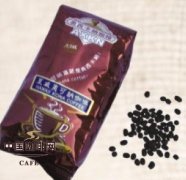
Introduction to Fine Coffee Beans Premium Hawaiian Kenna Coffee Beans
Special Hawaiian Coffee Bean ◆ Origin: Hawaii ◆ Roasting Method: Full City Roast ◆ Characteristics: 1. Taste: mellow, sweet and soft mouth, moderate acidity. 2. Aroma: Attractive and nutty. 3. Vision: large beans with blue translucency. The only coffee growing area on American soil. It grows in volcanic soils, mostly in the Hawaiian Islands.

Introduction to the Origin and Culture of Coffee beans
● Colombia produces coffee second only to Brazil, accounting for 12% of the world's total production. Although it ranks lower than Brazil, its coffee beans are of good quality. Coffee trees are planted in the highlands and cultivated in small areas. After careful harvest and wet processing, the coffee produced is beautiful in quality, rich in flavor and unique in flavor, whether it is single drink or mixed.

What are the basics of coffee?
Coffee is a drink that gives the public the impression of being black, bitter, sleepless, and excited. The coffee beans we see in coffee shops are dark brown and belong to roasted coffee beans, while the color of coffee liquid is amber. Coffee comes from coffee beans, which in turn are harvested and processed from the fruits of trees. Distribution of coffee: coffee trees

Premium Hawaiian Kona coffee beans
◆ Origin: Hawaii Island Hawaii ◆ baking method: Full City Roast ◆ characteristics: 1. Palate: mellow, sweet and smooth, moderate acidity. two。 Bouquet: attractive and nutty. 3. Vision: large beans with blue translucency. The only coffee grower in the United States. Grows in the soil of volcanic rocks and occurs mostly on the southeast coastal edge of the Hawaiian Islands, but by

General knowledge of Fine Coffee beans Flavor description of Hawaiian Kona coffee beans
◆ Origin: Hawaii Island Hawaii ◆ baking method: Full City Roast ◆ characteristics: 1. Palate: mellow, sweet and smooth, moderate acidity. two。 Bouquet: attractive and nutty. 3. Vision: large beans with blue translucency. The only coffee grower in the United States. Grows in the soil of volcanic rocks and occurs mostly on the southeast coastal edge of the Hawaiian Islands, but by